
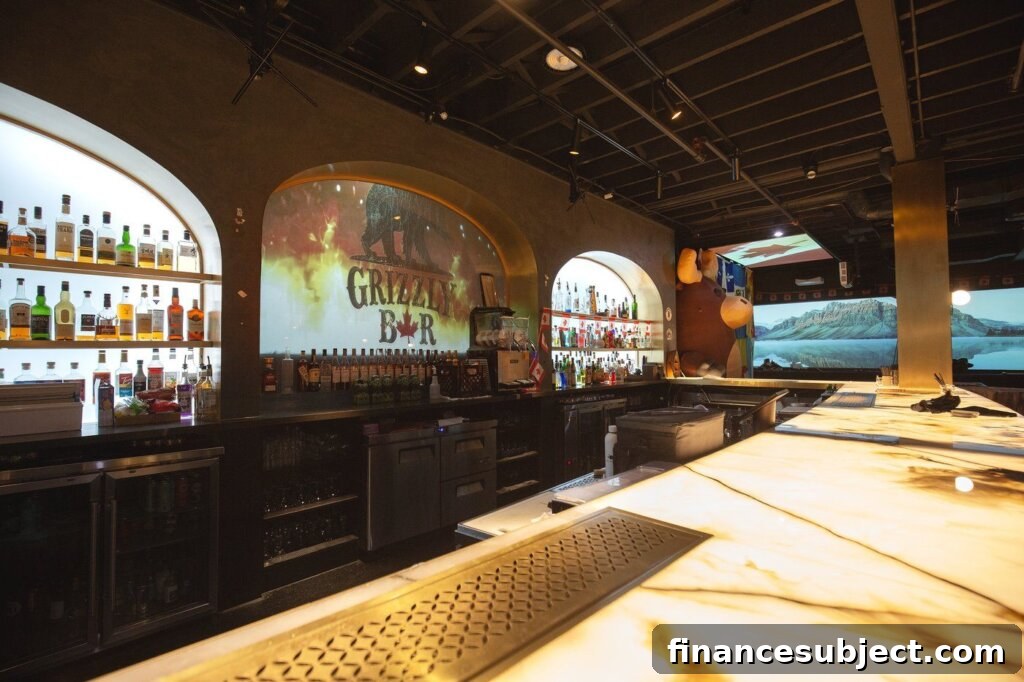
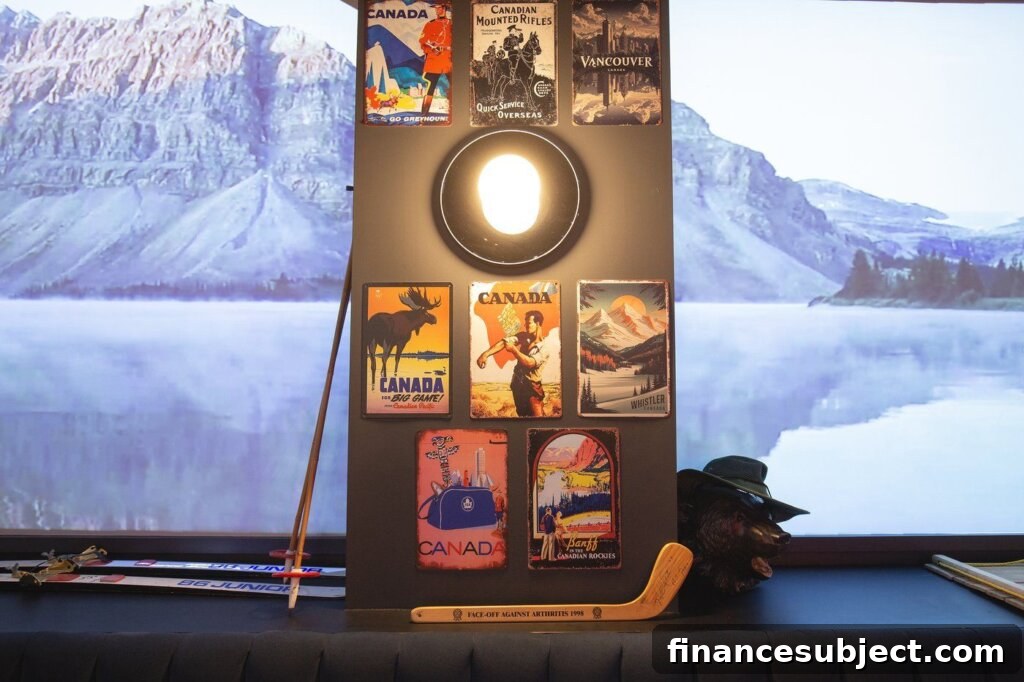
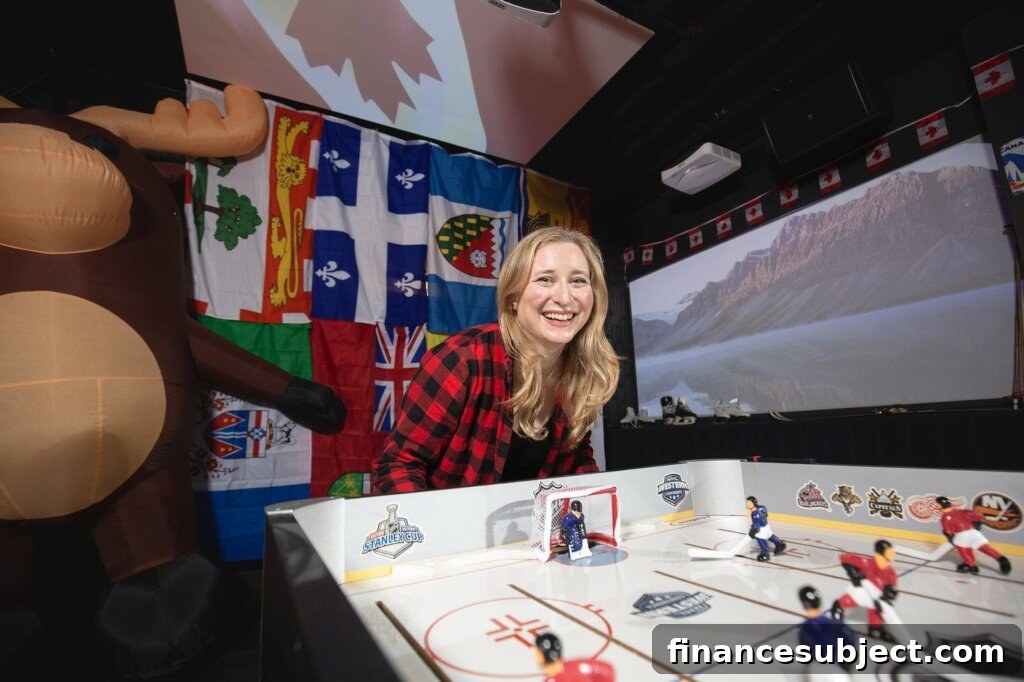
When Grizzly Bar opens next week in Toronto, diners will have no doubt which side the owners are on in the cross-border trade dispute. The new Canadiana-themed bar will lean into national symbols and playful stereotypes: maple leaves, animatronic bears, and campfire-style tents offering s’mores. The food and drink menu will showcase Canadian favorites such as Montreal smoked meat, Maritimes-style calamari and Caesars garnished with ketchup chips, while customers can pay with cash, card or even Canadian Tire money for a tongue-in-cheek touch.
Canadian restaurants respond by featuring homegrown fare
As trade tensions between Canada and the United States have intensified, many Canadian restaurants are adapting by prioritizing domestic products on their menus. With tariffs affecting a wide range of imports—from pantry staples to major manufactured goods—operators are reassessing supply chains, ingredient sourcing and pricing strategies. Some eateries have opted for visible, themed changes that celebrate Canadian culture, while others are making quieter shifts such as replacing U.S.-sourced items with locally produced alternatives.
Restaurant owners and marketing professionals say these changes are often a practical combination of supporting local producers and managing cost uncertainty. Jo-Ann McArthur, president of a Toronto food marketing agency, notes that establishments don’t necessarily need to overhaul their entire identity to back local suppliers. Many are choosing to highlight Canadian producers where possible and to adjust menus in ways that resonate with customers while keeping prices sustainable.
Odd Burger pauses U.S. franchise plans amid uncertainty
Not all businesses feel comfortable moving forward with cross-border expansion during such volatile times. Odd Burger Corp., a vegan fast-food chain based in London, Ont., recently put on hold plans to open 60 U.S. franchises. Founder James McInnes cited the unpredictability of tariffs and changing lists of affected goods as core reasons for the decision. When tariff rates and covered products can shift rapidly, it becomes difficult to project costs and set reliable pricing for franchisees.
For Odd Burger, the safer option was to concentrate on strengthening Canadian operations and exploring ways to insulate the supply chain from U.S. disruptions. McInnes said that carrying U.S.-produced items exposes the business to significant risk if tariffs escalate, and in some scenarios the financial logic for importing simply disappears.
How Canadians are responding to tariff threats and price hikes
Across Canada, shoppers and brands are promoting and supporting home-grown products as a response to potential tariff-driven price increases. Restaurants, cafes and food retailers are emphasizing domestic sourcing, menu adjustments and partnerships with local producers to reduce exposure to cross-border volatility.
Kanoo Coffee shifts focus to Canadian roasters
Some businesses are highlighting Canadian suppliers for reasons that go beyond immediate cost concerns. Kanoo Coffee in Guelph, Ont., originally planned to feature beans from around the world but switched to a lineup of Canadian roasters as the trade dispute escalated. Co-owner Steve Neville said the move reflected a renewed appreciation for local businesses and the benefits of shorter supply chains. Kanoo now offers coffees from roasters in Toronto, Ottawa, Calgary and Montreal, a strategy that supports regional producers and simplifies sourcing.
Grizzly Bar’s menu and décor emphasize Canadian sourcing
Grizzly Bar’s owners say they were pleasantly surprised by how easily many items could be sourced domestically. Menu staples such as poutine, chicken wings and bison burgers were procured from Canadian suppliers. For products that couldn’t be sourced locally, the bar turns to other international partners—New Zealand elk, select Mexican produce and certain decor elements sourced abroad are part of the plan. Even some of the bar’s animatronic bears were sourced from the Philippines.
Co-owner Jessica Langer Kapalka described the build-out as a community effort: the couple working on the project trimmed costs by recruiting friends to find eclectic furnishings and decor in secondhand spaces. While the renovation budget is estimated at up to $15,000, creative sourcing and borrowed items helped keep expenses manageable.
The Grizzly Bar concept evolved from Offworld Bar, the owners’ rotating-theme venue. The current Canadiana pop-up replaces a beach-style theme that ran for a couple of months; the new theme is likely to remain in place for an extended run depending on how political and economic conditions change. Langer Kapalka said she would welcome returning to a more neutral theme if trade tensions ease, but for now the venue is an emphatic celebration of Canadian culture and local suppliers.
Newsletter
Get free MoneySense financial tips, news & advice in your inbox.
Related economy news:
- Inflation’s surprise jump could push Bank of Canada to pause rate cuts
- Bank of Canada drops its key rate, points toward inflation and tariffs
- How young investors can respond to stock market volatility