
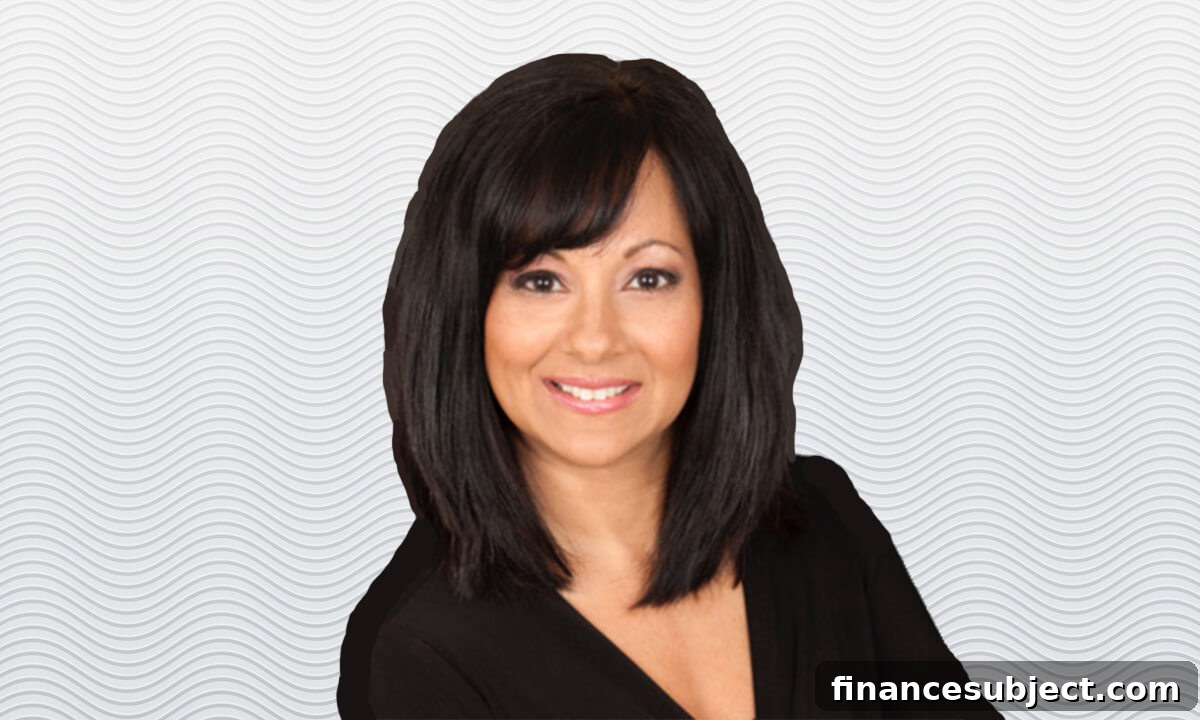
Dilys D’Cruz didn’t grow up in a household where money was openly discussed. Today she is senior vice president of retail and wealth at Meridian Credit Union, and she credits financial knowledge with giving her the freedom to do what she loves—especially travelling. With more than 35 years in the financial industry, D’Cruz now relies on her own financial advisor to help with budgeting, planning and reaching long‑term goals. In this interview she shares early money memories, key lessons, regrets, and the strategies she uses to stay on track.
Newsletter
Get free MoneySense financial tips, news & advice in your inbox.
Who are your money/finance/investing heroes?
My inspirations come from a mix of people. Warren Buffett is an obvious investing icon, but I’m also inspired by individuals who started with very little and built their success through hard work and integrity. I respect people who use their success to help others—Oprah Winfrey and Tina Turner come to mind as role models who combined resilience with generosity.
How do you like to spend your free time?
I enjoy staying active—Pilates and hot yoga are staples, and I recently started line dancing, which has been a lot of fun. I also work with a personal trainer twice a week, even when I don’t particularly feel like it. Fitness keeps me energized for work and travel.
If money were no object, what would you be doing right now?
I’d split my time between a beach home in Bali or Thailand and volunteer work with elephants in Thailand or Africa. I’d also travel through Italy, Portugal and Spain, sampling local cuisine and exploring the culture without worrying about the budget.
What was your earliest memory about money?
We were a first‑generation immigrant family in Canada. My mother stayed at home while my father worked two jobs to support us. Although we didn’t talk openly about finances, my father always made sure we had opportunities—figure skating, painting lessons and team activities. I didn’t fully grasp the sacrifices he made to provide these experiences. In hindsight, having early conversations about money would have taught me to save and budget from a younger age, but I’m grateful we didn’t grow up with a sense of scarcity.
What’s the first thing you remember buying with your own money?
A name‑brand pair of running shoes—North Stars from the late ’70s. It felt like a real milestone to earn and spend my own money on something I wanted.
What was your first job?
I delivered newspapers at age 13. There was a family tradition that our first paycheque had to buy the family a treat. I bought sundaes for everyone, but by the time I got home they were mostly melted—still, it was the thought that counted and a memorable lesson in early responsibility.
What was the biggest money lesson you learned as an adult?
Early in my career I was advised not to join my employer’s defined benefit pension plan—some colleagues told me I could “do better” investing on my own. I waited eight years to join and later realized missing those years was a mistake. Employer pensions can be valuable and should be evaluated carefully, not dismissed without understanding the full implications.
What’s the best money advice you’ve ever received?
Working with a balanced financial planner has been transformative. My planner understands my priorities: travel, debt repayment and long‑term investing. After a difficult divorce and raising three children largely on my own, I use a simple rule for bonuses: a third for travel and enjoyment, a third to pay down debt, and a third to invest. Some years I shift more to debt and investments, but having this structure removes guilt around spending and keeps my goals on track. Regular updates from my planner reassure me that I’m headed toward a secure retirement.
Would you rather receive a large sum of money all at once or a smaller amount regularly for life?
I’d prefer a lump sum that I could invest wisely, ideally with professional advice to ensure it aligns with my long‑term goals.
What do you think is the most underrated financial strategy?
Painless saving—automating transfers to multiple accounts the moment your pay arrives. I maintain accounts for my children’s tuition, travel and long‑term savings and set up automatic transfers. Similarly, making bi‑weekly investments through pre‑authorized contributions helps you dollar‑cost average and build wealth steadily. Start small and increase contributions as your income grows.
What is the biggest misconception people have about growing money?
That you need to be a market genius to succeed. Consistency, low fees and a sensible plan often matter more than trying to time the market or chase complicated strategies.
Can you share a money regret?
Not having a strong financial advisor earlier in life. Better guidance through major milestones—moving out, marriage, homebuying, parenting and divorce—would have helped me make smarter financial decisions sooner.
What does the word “value” mean to you?
Value is spending on things that create lasting joy or improve mental and physical well‑being. For example, I invested in an African safari and gorilla trekking in 2022—three safaris and unforgettable experiences. That trip was a life‑changing investment in memories and perspective.
What’s the first major purchase you made as an adult?
Our first house. It was a significant decision, but the timing felt right and we moved quickly to secure it.
What’s your take on debt?
Debt is a reality for many people, but it must be managed responsibly. High‑interest credit card debt in particular can escalate quickly, so monitoring balances and prioritizing repayment is essential.
What was your most recent splurge?
I booked a summer vacation that turned into a large family gathering—12 people in total. I couldn’t resist the opportunity to bring everyone together, even though it was more than I initially planned to spend.
What is something you always have in your wallet?
My driver’s licence, a debit card and a credit card.
What is your favourite possession?
My Mercedes C300—I love driving it. On a much smaller scale, I recently bought a $30 instant crepe maker that I use all the time; it’s a simple item that brings daily joy.
What’s your next money goal?
Continue reducing our mortgage balance as aggressively as possible while maintaining a balanced plan for retirement and family needs.
Rankings
Compare the best RRSP rates in Canada
My MoneySense quick questions
Rent or own?
Own a house.
Buy or lease?
Buy. I leased cars for many years, but I prefer owning now.
Save or invest?
Invest—especially with a long‑term plan in place.
Budget or no budget?
I don’t enjoy budgeting, so I rely on a financial plan that keeps me aligned with long‑term goals, combined with a flexible daily budget for living expenses.
More from My MoneySense:
- “Our goal is to have properties all over the world”: Sara Loriot is determined to keep dreaming big
- Justin Dallaire on making the right money decisions for you (not your bank)
- Lisa Hannam on measuring time and money, and more
- “Get to know and minimize the investing fees you pay”: Michael McCullough, MoneySense contributing editor
Also read
Invest your money or pay off debt?
A comprehensive guide for Canadians