
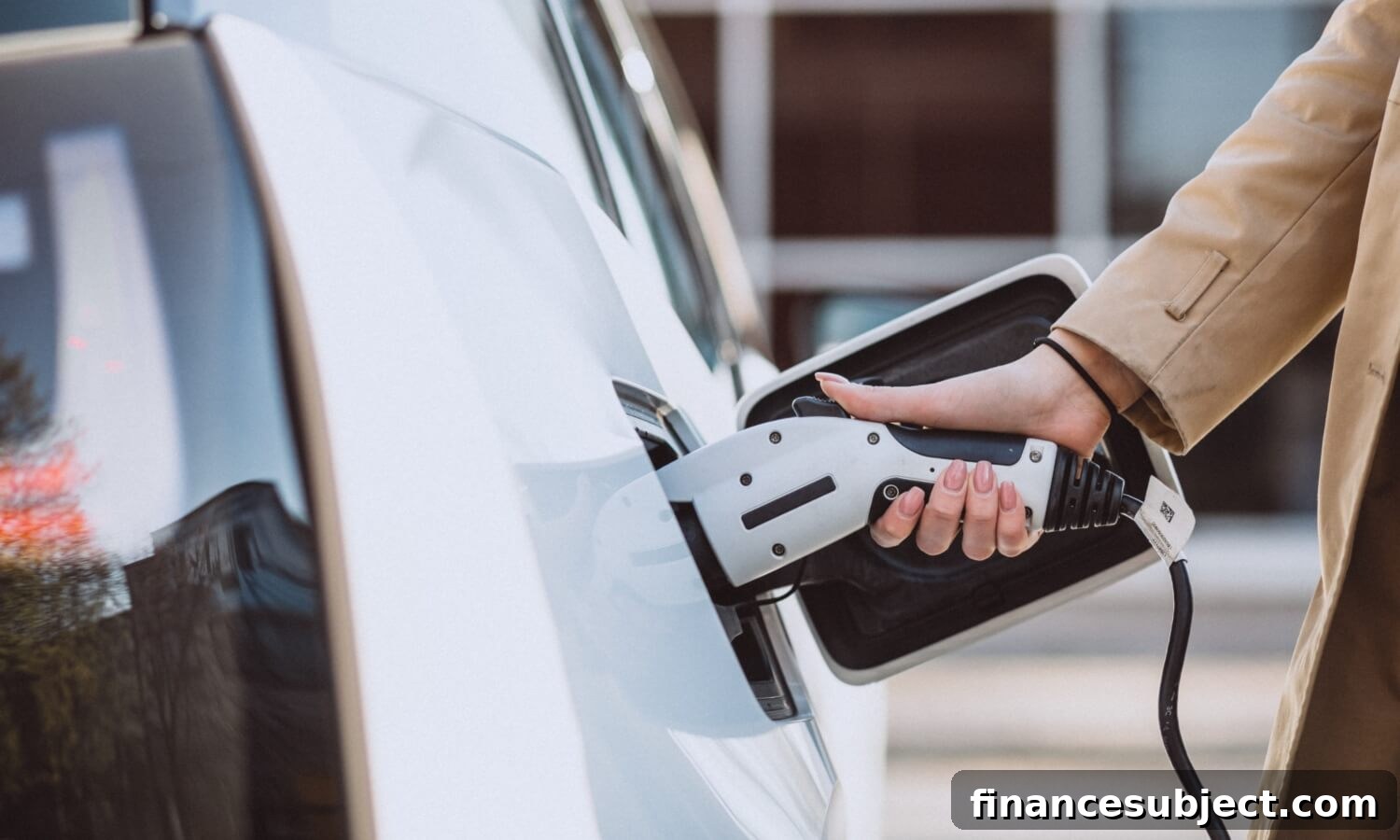
Whether you charge at home or use a public station on the road, the cost of powering an electric vehicle (EV) can add up. The right credit card can offset some of those costs through cash back, points or other rewards. Below are the top credit cards in Canada for EV charging, selected for strong rewards on charging transactions, useful perks and overall value.
Best credit cards for EV charging in Canada
CIBC Dividend Visa Infinite Card
RBC ION+ Visa
BMO CashBack World Elite Mastercard
Compare credit cards for EV drivers
Use the table below to compare features and rewards for EV charging. On smaller screens you can scroll horizontally to see all columns.
| Best card by category | Annual fee | Rewards on EV charging | Equivalent return | Spending cap for bonus rate | Same rate for gas? | Fuel discount | Personal annual income requirement | Recommended credit score | Apply |
|---|---|---|---|---|---|---|---|---|---|
CIBC Dividend Visa Infinite
|
$139 | 4% cash back | 4% | First $20,000/year | Yes | Up to $0.10/L at select stations | $60,000/year | 725+ | Visit issuer site |
RBC ION+ Visa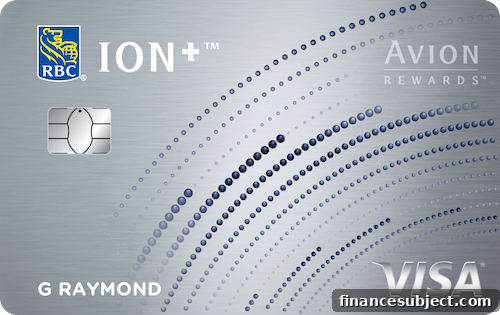
|
$48 | 3 Avion points per $1 | Approximately 3.42% | No limit | Yes | None | None specified | None specified | Visit issuer site |
BMO CashBack World Elite Mastercard
|
$139 | 3% cash back | 3% | First $300 per statement cycle | Yes | None | $80,000/year | 680+ | Visit issuer site |
CIBC Costco Mastercard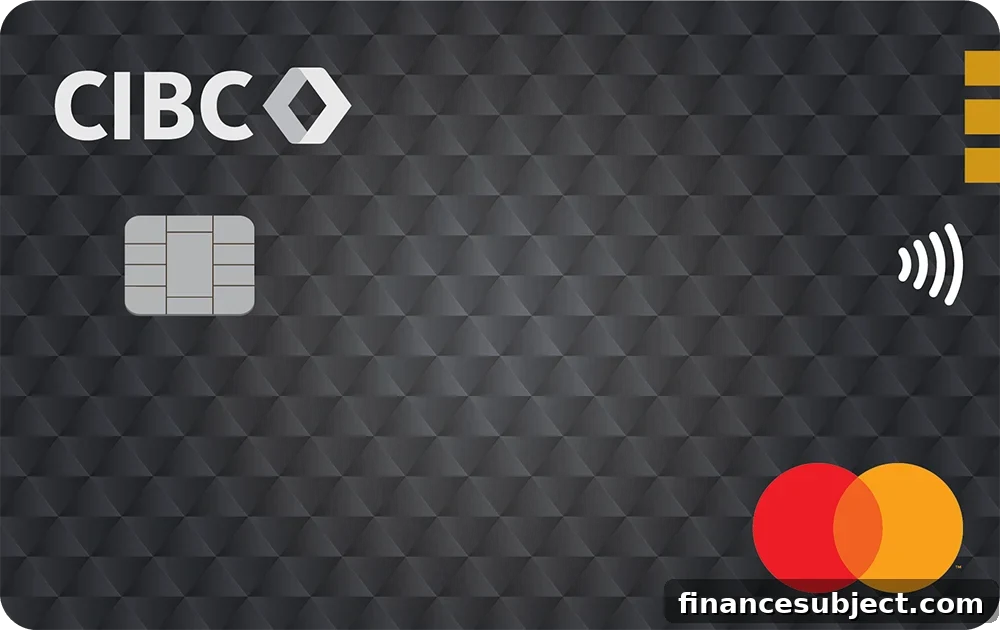
|
$0 | 3% at Costco gas; 2% elsewhere | 3% / 2% | First $5,000/year | Yes | Up to $0.10/L at select stations | $15,000/year | 560+ | Not available |
MoneySense award winners
Below are deeper looks at our top three picks for EV charging cards in Canada, including key features, pros and cons to help you choose.
Gold: Best credit card for EV charging
At a glance: The CIBC Dividend Visa Infinite is our top pick for EV and hybrid drivers. It offers 4% cash back on EV charging and groceries, plus boosted rates for dining, transit and recurring bills. Hybrid drivers can also save up to $0.10 per litre at select stations through partner fuel rewards.
Card details
| Annual fee | $120 (rebated first year) |
| Rewards | 4% on eligible gas/EV charging/groceries; 2% on dining, transit and recurring; 1% on everything else |
| Interest rates | 21.99% purchases; 22.99% cash advances/balance transfers |
| Income | Personal $60,000 or household $100,000 |
| Credit score | 725+ |
Pros
- Top-tier earn rate on EV charging and gas, and strong grocery rewards.
- Fuel discounts for hybrid drivers at participating stations.
- Wide list of bonus categories, including transit and recurring payments.
- Simple cash-back redemptions once you reach the minimum amount.
Cons
- Base earn rate of 1% is lower than some competitors.
- Higher income requirement may limit eligibility for some applicants.
Silver: Best credit card for EV charging
At a glance: The RBC ION+ Visa is a value option with a modest annual fee. It awards 3 Avion points per $1 on EV charging, groceries, dining and other everyday categories, and it offers fuel savings and bonus Petro‑Points at Petro‑Canada stations.
Card details
| Annual fee | $48 |
| Rewards | 3 Avion points per $1 on select categories; 1 point on other purchases |
| Interest rates | 20.99% purchases; 22.99% cash advances/balance transfers |
| Point value | 1 Avion point ≈ up to $0.023 for travel redemptions |
Pros
- Strong earn rate on major everyday categories with no cap.
- Fuel savings at Petro‑Canada and bonus Petro‑Points for hybrid drivers.
- Annual fee rebate options for younger cardholders through certain programs.
Cons
- Avion points and tiered redemption options can be more complex than straight cash back.
- Limited insurance benefits compared with some higher‑fee cards.
Bronze: Best credit card for EV charging
At a glance: The BMO CashBack World Elite Mastercard offers excellent category earn rates, including 3% back on EV charging and gas. It includes generous insurance coverage for a cash back card and easy redemption options.
Card details
| Annual fee | $139 (waived first year) |
| Rewards | 5% groceries; 4% transit; 3% gas & EV charging; 2% recurring; 1% everything else |
| Interest rates | 21.99% purchases; 23.99% cash advances/balance transfers |
| Income | Personal $80,000 or household $150,000 |
| Credit score | 680+ |
Pros
- High earn rates across multiple categories.
- Extensive insurance benefits for a cash back product.
- Flexible redemptions with low minimums.
Cons
- Bonus categories have low monthly caps, which limits boosted earnings on high spend.
- Higher income requirements reduce accessibility.
Best no‑fee card for EV charging
At a glance: The CIBC Costco Mastercard is a solid no‑fee choice for Costco members. It pays 3% at Costco gas and restaurants, 2% at other gas stations and Costco.ca, and 1% on most other purchases. This card also includes mobile device insurance and free additional cards.
Card details
| Annual fee | $0 |
| Rewards | 3% restaurants & Costco gas; 2% other gas & Costco.ca; 1% other purchases |
| Interest rates | 20.75% purchases; 22.49% cash advances |
| Income | $15,000/year |
| Credit score | 560+ |
Pros
- Strong returns at Costco gas and restaurants despite no annual fee.
- Mobile device insurance is a valuable inclusion for a no‑fee card.
- Low income requirement and free additional cards.
Cons
- Only 1% back on in‑store Costco purchases, and rewards are issued once a year as a Costco gift certificate.
- Card is available only to Costco members.
- There are earning caps on certain categories.
FAQ about EV charging
Answers to common questions about charging times, costs and the availability of public chargers in Canada.
How long does it take to charge an electric vehicle?
Charging time depends on the charger’s power, the vehicle’s onboard charger and battery size, and even weather. A standard household outlet is very slow and can take many hours or even days for a full charge. A 240‑volt home charger will typically charge an EV overnight in a few hours. Public fast chargers are the quickest and can restore significant range in 20–60 minutes depending on the vehicle and station. Larger batteries take longer to charge on the same equipment than smaller ones. Extreme hot or cold weather can reduce charging speed and battery efficiency.
How much does it cost to charge an electric vehicle?
Home charging costs are included in your electricity bill and vary by rate and time of use. Charging at home overnight on off‑peak rates is often very inexpensive—commonly a few cents per kilometre depending on local electricity prices. Public chargers may bill by time (for example, per minute), by energy delivered (per kWh) or by session. Fast charging is typically more expensive than slower charging. Expect a wide range of costs: a cheap overnight home charge might be under $1 per day for an average driver, while a quick public fast‑charge session can cost several dollars.
EV charging stations in Canada
Canada’s public charging network has expanded rapidly. As of March 2024, there were roughly 27,000 public chargers nationwide. The federal plan aims to add many thousands more by 2030. Charging stations are concentrated in populous provinces—Quebec and Ontario lead in total ports—while other provinces and territories continue to add infrastructure. Major charging networks operating across Canada include national and international providers, and several retailers and fuel networks now host chargers at their sites.
Petro‑Canada EV charging
Petro‑Canada helped expand EV infrastructure with a coast‑to‑coast fast‑charging corridor. As a general guide, some Petro‑Canada stations have simple pricing models; one reported rate is $0.50 per minute for charging, though pricing and availability vary by location and network operator.
Get free financial tips, news and advice in your inbox.
More of Canada’s best credit cards:
- Canada’s best credit cards
- Canada’s best credit cards for gas
- Canada’s best no‑fee credit cards
- Canada’s best cash back credit cards