
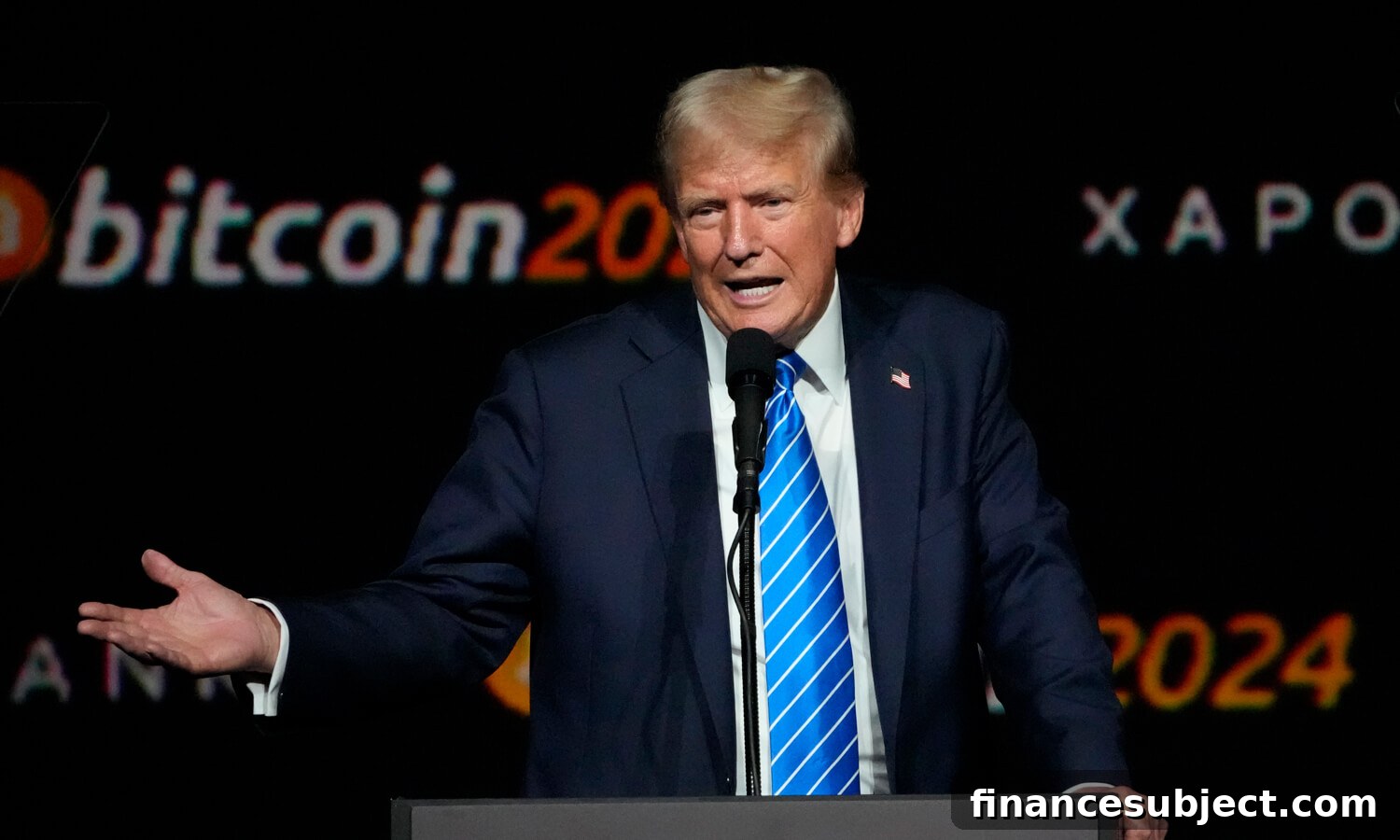
President-elect Donald Trump has introduced a new cryptocurrency token tied to his brand, and the coin’s value surged sharply after its launch—raising questions about its impact on his finances and broader implications for politics and crypto. The token, promoted as a community-oriented “meme coin,” was unveiled shortly before his inauguration and follows a pattern of branded merchandise and digital products associated with Trump, from commemorative items to previous digital ventures.
“My NEW Official Trump Meme is HERE! It’s time to celebrate everything we stand for: WINNING! Join my very special Trump Community. GET YOUR $TRUMP NOW. Have Fun!” — Donald J. Trump
The announcement was accompanied by imagery that echoes Trump’s rally persona, including a photo of him with a raised fist overlaid with the slogan “FIGHT FIGHT FIGHT,” a reference to his public response after an assassination attempt at a rally last July. The coin is being marketed primarily as an expression of support for Mr. Trump, with the project’s website stating it is not intended to be an investment vehicle. Nevertheless, many buyers treated it as a speculative asset.
How much $Trump meme coin sold for when it was launched?
The token debuted at approximately $10 per coin and jumped dramatically in the hours after launch, reaching highs near $70 in early trading. That rapid appreciation drew attention from both supporters seeking a collectible tied to Trump and traders aiming to profit. The token’s price later corrected sharply after separate posts from the president-elect and his wife, Melania, that promoted respective meme coins; the Melania-branded coin traded at roughly $5 on the same afternoon.
What are meme coins?
Meme coins occupy a volatile and speculative niche within the broader cryptocurrency landscape. Many begin as jokes or social-media-driven phenomena with no underlying product or utility. Their price movements are often driven by hype, social sentiment, celebrity endorsements, or coordinated buying rather than fundamental value. Dogecoin is the most famous example—a currency that started as an internet meme but eventually gained significant attention and speculative investment.
Because of their speculative nature, meme coins can be used by opportunistic actors to attempt quick profits, and they are sometimes associated with scams, pump-and-dump schemes, and extreme price swings. Potential buyers should be aware that meme coins carry high risk and limited consumer protections.
Investors’ response to Trump’s meme coin
Reactions among crypto investors and commentators were sharply divided. Some enthusiasts welcomed the move as symbolic of a more crypto-friendly stance from the incoming administration, noting that the president-elect has pledged to introduce regulations perceived as favorable to the industry and has appointed officials who support digital assets.
Critics argued the token created troubling incentives and a blurred line between political fundraising, branding, and personal enrichment. Concerns focused on the potential for special interests, foreign entities, or wealthy supporters to use coin purchases as a de facto channel for funneling money to someone who will soon hold the highest public office.
“Most dangerous thing for country about Trump coin is what comes next. Now anyone in world can essentially deposit money into bank account of President of USA with a couple clicks. Every favor – geopolitical, corporate or personal – is now on sale, right out in the open.” — Anthony Scaramucci
Former White House communications director Anthony Scaramucci and others warned that a widely traded, branded token linked to a sitting president could make financial influence more direct and harder to track, creating new ethical and national-security questions.
How Trump’s crypto coin came to be
The token sale was organized by CIC Digital, which is affiliated with the Trump Organization. According to information shared by the project, 200 million of the Trump meme coins were made available initially, with plans to issue up to 1 billion tokens over the next three years. The website indicated that CIC Digital and another firm would collectively own 80% of the tokens and would receive a share of trading revenue generated by token activity.
Separately, the Trump family has outlined an ethics agreement intended to limit Mr. Trump’s day-to-day involvement in the Trump Organization during his presidency and to restrict the financial information delivered to him about the family business. Nonetheless, the overlap between brand licensing, family holdings, and political office has prompted scrutiny about where revenue would flow and how ownership stakes are managed.
Trump’s engagement with digital assets is not new. He and his family previously backed a crypto-focused venture and have sold NFTs—digital trading cards and collectibles—generating reported income from licensed digital products. His media and social platforms, including his social network, have also affected perceptions of value, with supporters sometimes driving valuations through coordinated buying.
Further considerations about meme coins and politics
The crossover of political branding and cryptocurrencies raises legal and ethical issues that have not been fully addressed by existing campaign finance and anti-corruption rules. Regulators, lawmakers, and watchdogs will likely examine whether token sales tied to public figures require new disclosure standards or limits. For prospective buyers, the event serves as a reminder to weigh the speculative nature of meme coins against the broader consequences of tying financial instruments to political influence.
Read more about crypto investing
- Will bitcoin crash?
- Where is bitcoin headed?
- How to talk to your family about crypto
- The top crypto platforms and apps