
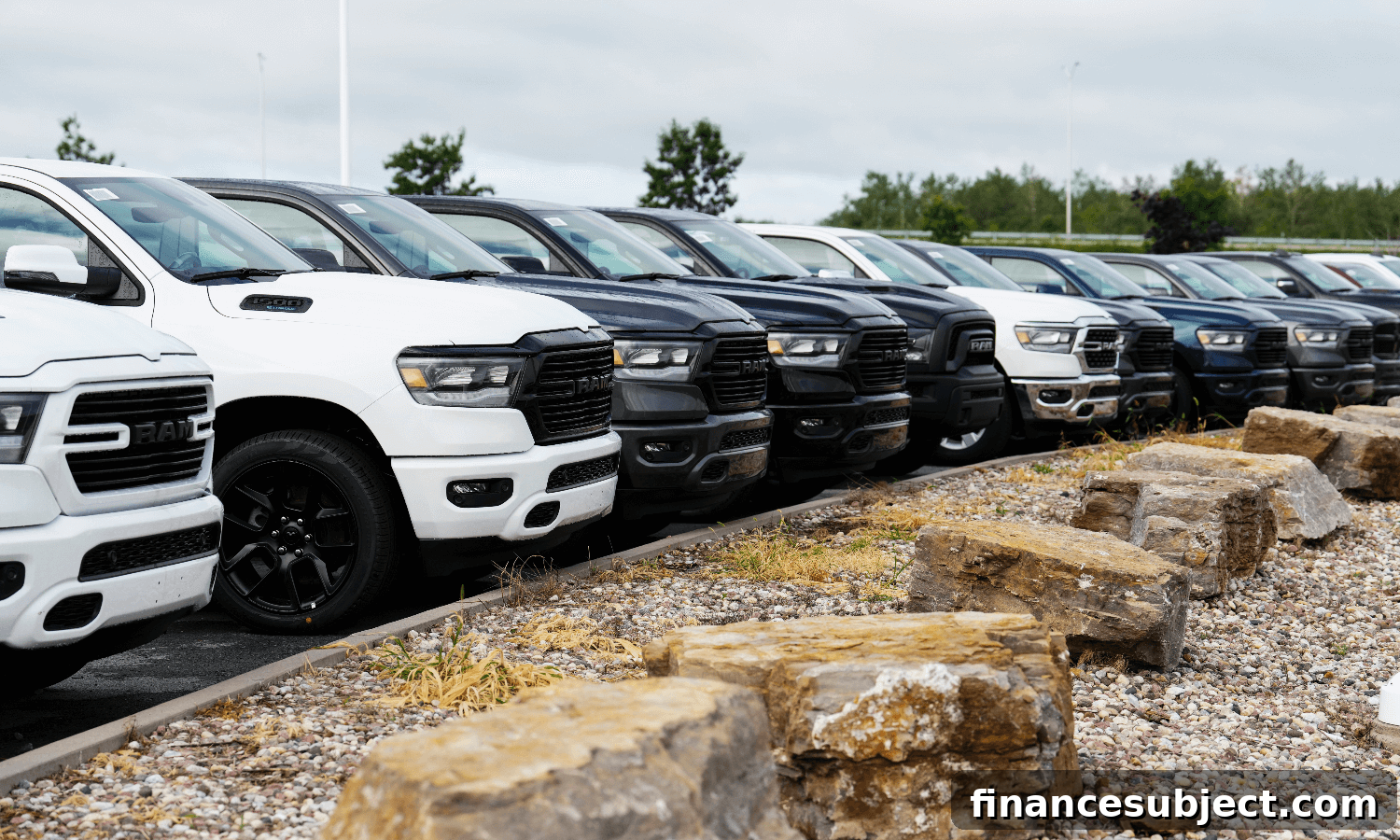
Some drivers who purchased vehicles during the past few years—when used and new car prices were unusually high—are discovering they owe more on their car loans than the vehicles are currently worth.
Resource highlight
LoanFinder: get matched with loan options
In under 60 seconds, you can identify loan providers that may match your needs and approval likelihood. No personal identification numbers are required to review options.
Service comparison tool
“We saw some rare price appreciation during the time that consumers were purchasing these high-priced cars,” said Daniel Ross of Canadian Black Book, referring to market dynamics during the pandemic. Global supply chain disruptions left inventories low while consumer demand remained high, which pushed prices up.
As supply issues have eased, prices have started to soften, but the correction left many borrowers with negative equity—owing more on their loan than the vehicle’s current market value. Most vehicles are depreciating assets, so people who bought at peak prices are likely to see their cars lose value further.
How to buy a car in Canada and get the best loan rate
read now
Should you trade in your car for a cheaper one?
On average, negative equity rose to a record USD $6,255 in the second quarter of this year, compared with USD $4,487 in the second quarter of 2022, according to a recent industry report. Trade-ins that carried negative equity also increased.
If you find yourself underwater, it is often difficult to erase that position quickly. Many experts recommend keeping and continuing to use the vehicle while steadily paying down the loan rather than trading it in or buying another car immediately.
Halifax-based financial planner Ben Mayhew says negative equity often resolves itself over time if the borrower keeps the car and continues making payments. As the loan balance falls and the car’s depreciation slows, the loan-to-value gap can eventually close.
If you need to exit the negative equity situation sooner, refinancing the loan at a lower interest rate can help. During the supply crunch many borrowers took higher-rate loans; securing a lower rate and shortening the term can reduce total interest paid and accelerate equity build-up.
Resource highlight
Compare car insurance quotes
Take a few minutes to compare insurance quotes to ensure you are not overpaying while managing vehicle costs.
Service comparison tool
Car loan delinquencies are on the rise
Delinquencies increased in the second quarter of 2024 for both bank and non-bank vehicle loans. Missed payments on bank vehicle loans reached their highest level since 2019, and the 90-day balance delinquency rate for non-bank loans rose significantly compared with the prior year.
If refinancing is not available, paying down the loan faster can narrow the loan-to-value gap, though this is often difficult amid rising living costs. Some borrowers opt to trade in a vehicle with negative equity and roll the remaining debt into a new loan; this can be a viable short-term solution but carries risks.
Be careful not to create a perpetual cycle of rolling negative equity into successive loans. When considering a trade-in that involves rolling debt into a new loan, evaluate not only the monthly payment but also the total price of the vehicle, the added negative equity, and how the combined balance will behave over the full loan term. Choosing an older, well-priced used vehicle that has already absorbed steep depreciation can reduce the chance of repeating the problem.
It’s also better to buy a new car with as large a down payment as possible to avoid piling interest costs on a depreciating asset and to reduce the risk of immediate negative equity.
Mohamed Bouchama, a consultant with a vehicle assistance organization, warns against being swayed by attractive leasing and financing marketing. His simple advice: if you can’t afford a vehicle comfortably, choose a cheaper option. He recommends not exceeding a five-year financing term, or choosing three- or four-year terms for leases, and always budgeting for related costs such as fuel, insurance, maintenance, and repairs.
When purchasing or financing a vehicle, focus on affordability over monthly appearance. Make sure the total cost of ownership fits your budget so you avoid becoming underwater on a car loan.
Newsletter
Get free financial tips, news & advice in your inbox
More auto articles:
- How to buy a car in Canada and get the best loan rate
- Is it a good time to buy a new car?
- Best used cars in Canada
- Why is gas so expensive in Canada?
- Why car insurance premiums are rising and what to do about it