
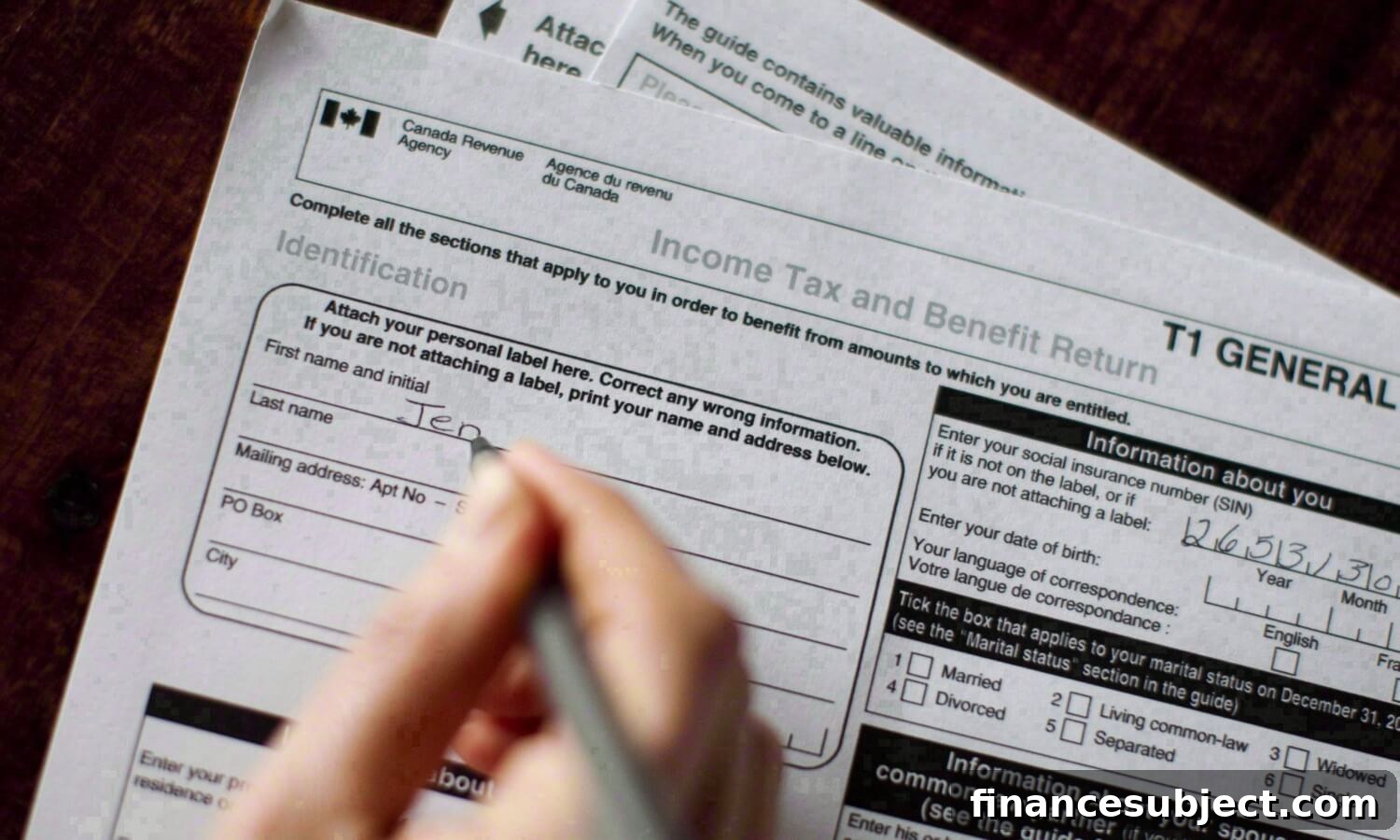
Taxes are a constant in life, but the rules change from year to year. This filing season brings several important updates that taxpayers should understand before they prepare their returns.
Below are the key changes and what they mean for individuals filing for the 2023 tax year.
Home office expenses
During the COVID-19 pandemic, many employees benefited from a temporary flat-rate deduction of $2 per day for working from home, up to $500. That temporary flat-rate option has ended.
For the 2023 tax year, employees may only claim home office expenses if they were required by their employer — not merely permitted — to work from home for a period exceeding half of their work time for at least one consecutive month. In addition, a completed and signed T2200 form from the employer is required to support the claim.
When claiming home office expenses, taxpayers must total all eligible costs — including utilities, maintenance and repairs — and then prorate those costs based on the portion of the home used as a workspace. Typically this is calculated as the square footage of the workspace divided by the total finished living space, and that percentage is applied to shared costs.
Penalty for filing late
Interest on overdue income taxes has increased, and taxpayers who file or pay late face higher charges. The rate on overdue amounts rose from 9% to 10%, increasing the cost of unpaid balances.
Tax professionals strongly recommend filing by the deadline — generally April 30 — even if you cannot pay the full balance right away. Filing on time avoids late-filing penalties that can be applied in addition to interest on outstanding amounts.
For many people, it can make financial sense to arrange short-term borrowing or use a low-rate line of credit to cover a tax bill rather than allowing the Canada Revenue Agency to apply higher interest on unpaid taxes.
First Home Savings Account
The First Home Savings Account (FHSA) offers a tax-advantaged way for eligible Canadians to save for a first home. Individuals who have not owned a home for at least four years may contribute up to $8,000 per year, subject to a lifetime contribution limit of $40,000.
Contributions to an FHSA are tax-deductible, and investment income earned within the account is tax-free, provided the funds are withdrawn to purchase a qualifying home. That combination of tax deduction and tax-free growth makes the FHSA an attractive option for first-time homebuyers.
It is important to note that unused contribution room does not accumulate indefinitely at the $8,000 annual rate. If you open an FHSA and make no contributions for several years, your carry-forward amount will be limited. For example, if you wait 10 years before contributing, you will have carry-forward room equal to one year’s contribution limit rather than the full lifetime cap.
Additionally, the FHSA has a 15-year time limit. If the account is not used to buy a qualifying home within that period, the funds must either be transferred to an RRSP or withdrawn as taxable income.
Multigenerational Home Renovation Tax Credit
To support families adapting homes to accommodate aging parents or other adult dependents, the Multigenerational Home Renovation Tax Credit provides a tax credit for creating a secondary, self-contained living unit. The credit is intended to help cover the cost of renovations needed to build or modify a home so a dependent adult can live there.
Qualifying renovations must create a self-contained suite with its own entrance, kitchen, bathroom and sleeping area. The credit allows homeowners to claim 15% of eligible renovation expenses, up to $50,000, which could reduce federal tax owing by up to $7,500.
The credit can apply when the dependent household member is an adult who relies on care — for example a parent, aunt, uncle or other relative — and who lives with the homeowner as a dependent. The requirement for a fully self-contained unit is strict: simply converting or renovating a single room does not meet the conditions.
House flipping rules
New rules introduced as of January 1 change how profits from the sale of residential properties held for a short period are taxed. If a residential property is bought and then sold within a short timeframe — particularly within a year — the profit may be considered business income rather than a capital gain, which affects how it is taxed.
The change targets activity commonly described as house flipping, where individuals purchase, renovate and quickly resell properties. In those circumstances, the government can treat proceeds as business income subject to full taxation.
There are exceptions for certain circumstances where an early sale is unavoidable or where personal circumstances justify it, including situations involving family violence, serious illness, disability or the death of a property owner. Taxpayers who sell a property shortly after purchase for legitimate personal reasons should document their situation and consult a tax advisor if unsure whether the sale will be taxable as business income.
New trust filing requirements
Reporting requirements for trusts have expanded, and some taxpayers who were not previously required to report trust arrangements may now need to do so. Trustees of bare trusts — arrangements in which a trustee holds legal title but the beneficiary controls the assets — must file a Schedule 15 information return by the earlier deadline (April 2 for the 2023 year).
Common examples include accounts opened for minors or situations where a parent’s name is on a child’s property title to help secure a mortgage. If these arrangements meet the threshold for reporting — for example when account balances exceed specified limits — trustees may be required to file detailed information about the trust and its beneficiaries.
Because the rules can be complex and there are many grey areas, anyone who thinks they may be acting as a trustee or who is unsure whether a trust reporting obligation applies should seek professional tax advice to avoid penalties and ensure correct filing.
Tool deduction for tradespeople
Eligible employees in the skilled trades can now claim a larger deduction for the cost of work-related tools. The allowable deduction doubled from $500 in the prior year to $1,000, providing modest relief to tradespeople who frequently pay out of pocket for equipment and tools.
While the increase helps offset some expenses, the tax benefit will depend on the individual’s tax bracket. For many tradespeople, the deduction will reduce taxable income and produce a modest tax savings rather than fully reimbursing the cost of tools.
Further reading on filing your taxes
- Can you file multiple years of income taxes together in Canada?
- Canada’s income tax brackets for 2023
- How to fill out a personal income tax return for 2023
- How to file your taxes online in Canada
If any of these topics may affect you, consider reviewing your situation now and, when appropriate, consult a qualified tax professional to ensure you meet new filing requirements and take advantage of available credits and deductions.