
Many Canadians today feel that major life milestones—like buying a house or starting a family—are increasingly out of reach. Rising inflation and other economic pressures have pushed the cost of everyday items such as groceries and cell phone plans higher, and higher interest rates have made borrowing for credit cards, loans and mortgages more costly.
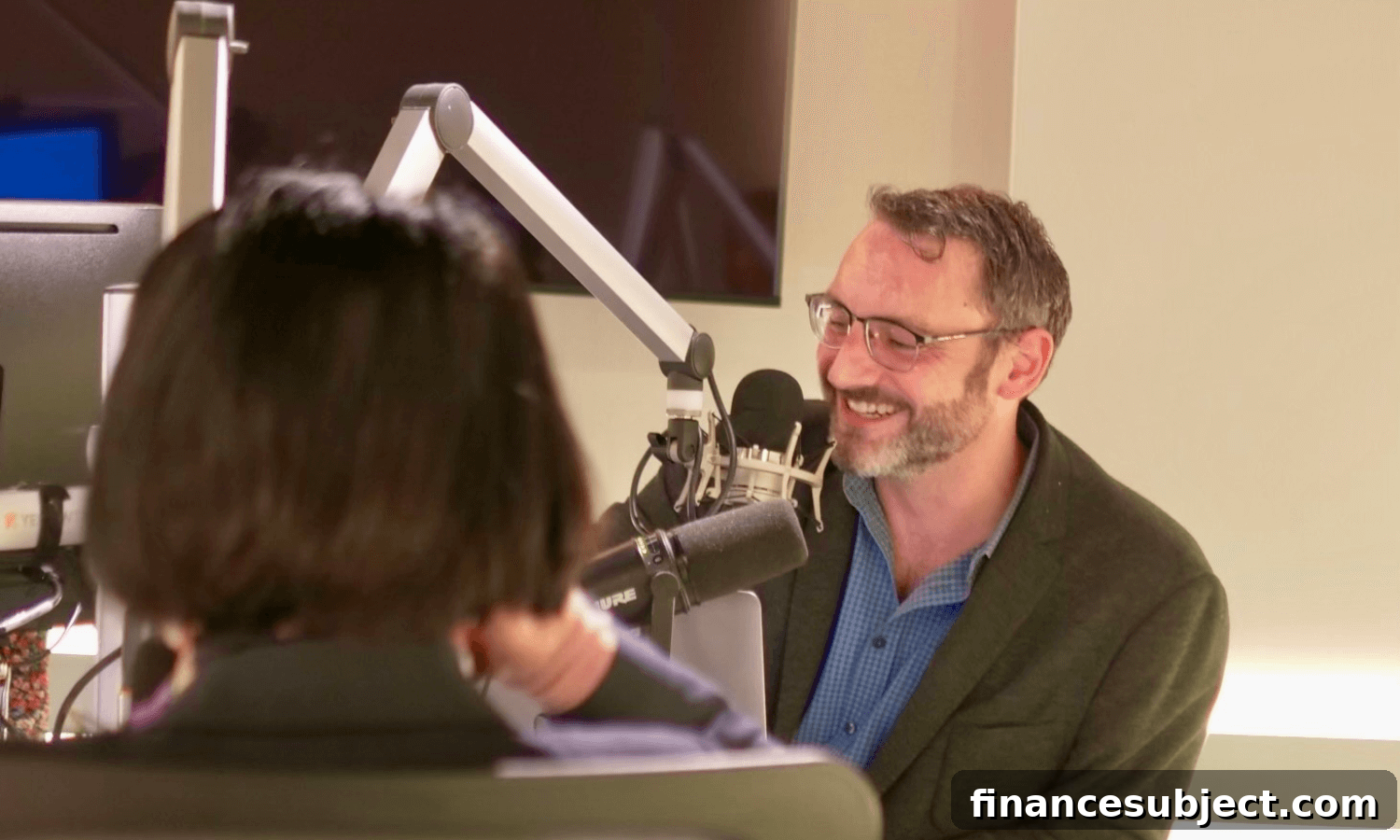
Jordan Heath-Rawlings shares that frustration. In November 2023 he launched the podcast In This Economy?! to help Canadians make sense of financial pressures and practical steps they can take. Billed as “Your guide to understanding an unpredictable economy,” the show covers topics such as inflation, employment, managing debt, homeownership and repaying CERB.
Based in Toronto, Heath-Rawlings is a veteran Canadian journalist. His career includes newspaper reporting, being a founding editor at Sportsnet, and serving as director of special projects at Rogers Media. In 2018 he founded the Frequency Podcast Network, which launched Canada’s first daily news podcast, The Big Story, a show he still hosts while overseeing more than 30 other programs. Below, Heath-Rawlings discusses his views on credit, debt, real estate and rewards points, and explains why he’s become a “huge points guy.”
Find In This Economy?! on popular podcast platforms. New episodes are released on Thursdays.
Who are your finance heroes?
The podcast comes from the perspective of a curious amateur rather than a polished industry insider. I don’t really have a finance hero in the traditional sense. What I do bring from my background as a sports journalist—and from covering fantasy sports and betting—is an instinct for spotting what I call the “mass market miss”: things or people overlooked because they don’t fit conventional expectations, which can create unexpected value. If I had to name influences, I’d point to analytical thinkers in baseball like Bill James or Billy Beane for that mindset.
How do you like to spend your free time?
I’m mostly a homebody: watching sports and spending time with my family. My partner is a passionate traveller, so we try to carve out time and budget for a few trips each year.
If money were no object, what would you be doing right now?
I’d be golfing somewhere warm, with my wife and daughter relaxing on the beach and waiting for me to join them. We actually have a trip like that planned soon, and I’m already looking forward to it.
What was your first memory about money?
One of my earliest money memories, beyond earning a quarter for each row I weeded in my grandfather’s garden, is my parents choosing not to spend $200 on a pair of Air Jordans for me. I wanted those sneakers because they were a status symbol, but my parents recognized I’d likely ruin them quickly—and they were right.
What’s the first thing you remember buying with your own money?
Baseball cards—without a doubt. I still have that box in the basement. I collected during the height of the hobby’s popularity, so most of those cards aren’t valuable, but they’re priceless in terms of nostalgia. Back then every kid I knew genuinely believed their collection would make them rich one day.
What was your first job?
My first real job was working as an usher at the new Scotiabank Theatre in downtown Toronto on opening night in 1999. I remember buying a Detroit Red Wings jersey with my first paycheck.
What was the biggest money lesson you learned as an adult?
I was that naive university student who signed up for a credit card in the first week on campus and didn’t know how to manage it. I accumulated debt while paying for school and it took years to clear it. That cycle—living paycheque to paycheque and carrying debt—is hard to break and very stressful.
What’s the best money advice you’ve ever received?
Buy one well-made item that lasts instead of buying many cheap items that fall apart. It’s simple advice and often applied to clothing, but it’s surprisingly hard to practice in an era of instant gratification and fast retail.
What’s the worst money advice you’ve ever received?
“Sign up for this credit card and you’ll get a free T-shirt, and it’ll help you afford things while you’re in school!” That kind of short-sighted pitch led me into debt. I’ve also heard people urge extreme saving—like socking away 40% of your paycheque forever—without any room to enjoy life. Being constantly deprived won’t pay off emotionally, even if it helps financially.
Would you rather receive a large sum of money all at once or a smaller amount of money regularly for life?
I’d take the steady, smaller payments. I know myself well enough to prefer consistent cash flow over a one-time windfall.
What do you think is the most underrated financial tip?
Have an emergency fund. Being able to cover an unexpected expense without adding debt is one of the most stabilizing financial steps you can take. Years of struggling without a safety net taught me how crippling that stress can be.
What is the biggest misconception people have about growing money?
A lot of people today treat their home as their primary investment and retirement plan. That mindset is relatively recent and risky: a house can be illiquid and its value can fluctuate, so relying on it alone for financial security is dangerous. That belief has also contributed to the country’s housing affordability problems and left some homeowners overconfident about their long-term stability.
Can you share a money regret?
I regret not opening an RRSP earlier. Despite steady work in my 20s, I didn’t prioritize long-term saving or retirement planning, and I missed out on years of potential growth.
What does the word “value” mean to you?
Value for me is mostly about time. I prefer to spend money to free up time for family, hobbies or simply to avoid stress. Time is finite; money can usually be earned back. So I’ll pay for delivery, a cab to the airport or a cleaner if it buys me meaningful time.
What’s the first major purchase you made as an adult?
I agonized over which 24-inch TV to buy in my early 20s—what felt like a big decision at the time. Later, when my wife and I moved from a condo to buy a house in 2019, it took nearly a year of searching, bidding and getting outbid before we secured a place we loved and could barely afford.
What’s your take on debt?
I’d prefer everyone to be debt-free, but that’s not realistic for many people in today’s economy. Avoid debt for non-essential items that won’t retain value, but don’t shame yourself for taking on necessary debt to maintain a healthy life in an expensive market.
What is the last money-related book you read? What did you think of it?
After speaking with Shannon Lee Simmons on the podcast, I read her book Worry-Free Money. I appreciated its focus on the emotional side of financial decisions and how to spend in ways that reduce worry.
What is something you always have in your wallet?
My Visa card. I’ve become a big rewards-points enthusiast—my wife introduced me to the strategy. Using points to buy treats or gadgets helps me indulge without the same level of guilt, especially when the purchase is covered by rewards.
What’s your next money goal?
I’m saving a cushion on the side to prepare for a likely mortgage renewal hike later this year. Having that buffer will ease the pressure when rates reset.
My MoneySense quick questions
Rent or own?
Own.
Buy or lease?
Buy.
Save or invest?
Save—for now.
Budget or not?
Generally not a strict budgeter, though I keep an eye on spending.
Read more My MoneySense profiles:
- Tareq Hadhad on his investing journey and how Peace By Chocolate came to be
- Allan Small on a glass-half-full view of markets and risk management
- Julie Shipley-Strickland and Bryan Borzykowski: top money advice from two industry veterans
- Chris Guillebeau onGonzo Capitalism, a $100,000 side hustle, and why average isn’t enough
- Kristine Beese of Untangled Money on why financial planning isn’t gender-neutral