
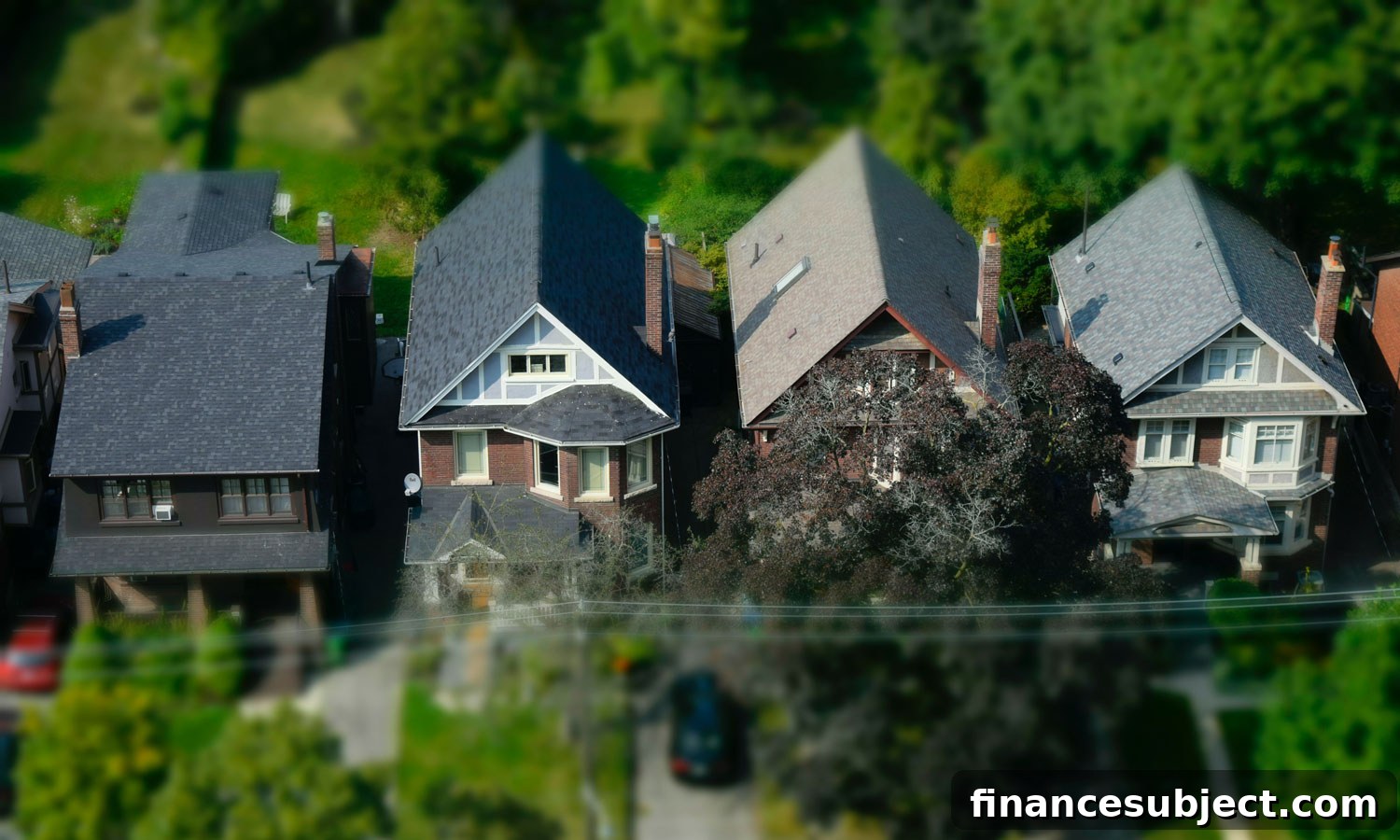
The Toronto real estate market has seen extraordinary growth over the past two decades. According to the Toronto Real Estate Board (TRREB), the average home price in Toronto rose 489% between 2000 and 2022. That sharp increase has intensified concerns about housing affordability and the prospects for future homeowners in the Greater Toronto Area.
Answer a few quick questions to receive a personalized rate quote*
I’m renewing/refinancing
You will be leaving MoneySense. Close the tab to return.
Is Toronto affordable?
To illustrate the affordability gap: the average home price in Toronto in 2021 was $1,095,175, while the median household income was about $84,000, producing a price-to-income ratio near 13. By comparison, that ratio was roughly 7.4 in 2010. In short, wages have not kept pace with home prices, and homeownership is becoming increasingly out of reach for many younger households.
That disparity has led to debate about whether Toronto is in a housing bubble that might burst or whether this price growth is a structural feature of the Canadian housing market. Before exploring the future of Toronto real estate, it helps to define what a “housing bubble” is.
What is a housing bubble?
A housing bubble occurs when property prices rise to levels that are not supported by underlying fundamentals—driven instead by speculative purchases and overly optimistic expectations of future price gains. When prices detach from rents and incomes, the market becomes vulnerable to a sharp correction if investor sentiment or financing conditions change.
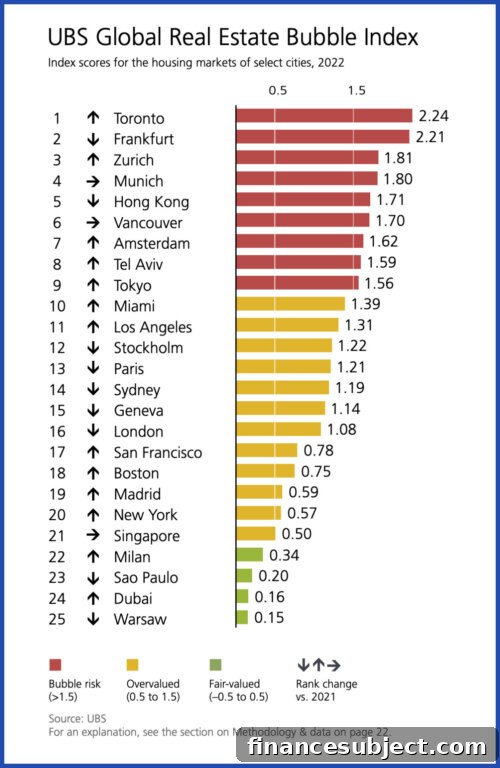
For example, the UBS Global Real Estate Bubble Index identified Toronto as a high-risk market in 2022, citing stretched price-to-income and price-to-rent ratios. Although Toronto’s ranking eased somewhat after prices peaked in May 2022, affordability remains strained and prices are still well above historical norms.
Why is Toronto housing so expensive?
Low interest rates since the 2008 financial crisis have been a major factor supporting rising home prices. Historically low borrowing costs made mortgages more affordable and encouraged investment in real estate. Canada avoided a major price collapse in 2008 and then experienced stronger price growth than the U.S. over the following decade and a half.
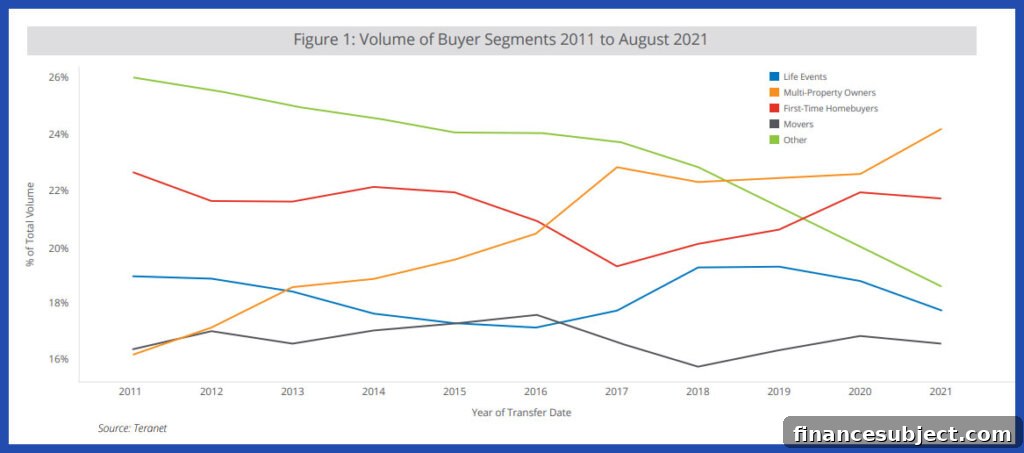
Low rates have helped first-time buyers enter the market, but they also attracted investors. Statistics Canada reports that a large share of condos built in Toronto from 2016 onward are held as investment properties. The number of owners holding multiple properties grew significantly, and by some measures, multiple-property owners now represent a sizable portion of the housing stock in the region.
When will housing prices fall in Toronto?
Several factors point toward the possibility of a price decline. After inflation surged in 2022, the Bank of Canada began raising its policy rate to cool demand. Higher interest rates increase borrowing costs and reduce mortgage affordability, taking pressure off home prices. The Bank’s own projections have indicated that inflation may not return to target until 2025, which suggests a prolonged period of elevated rates could persist.
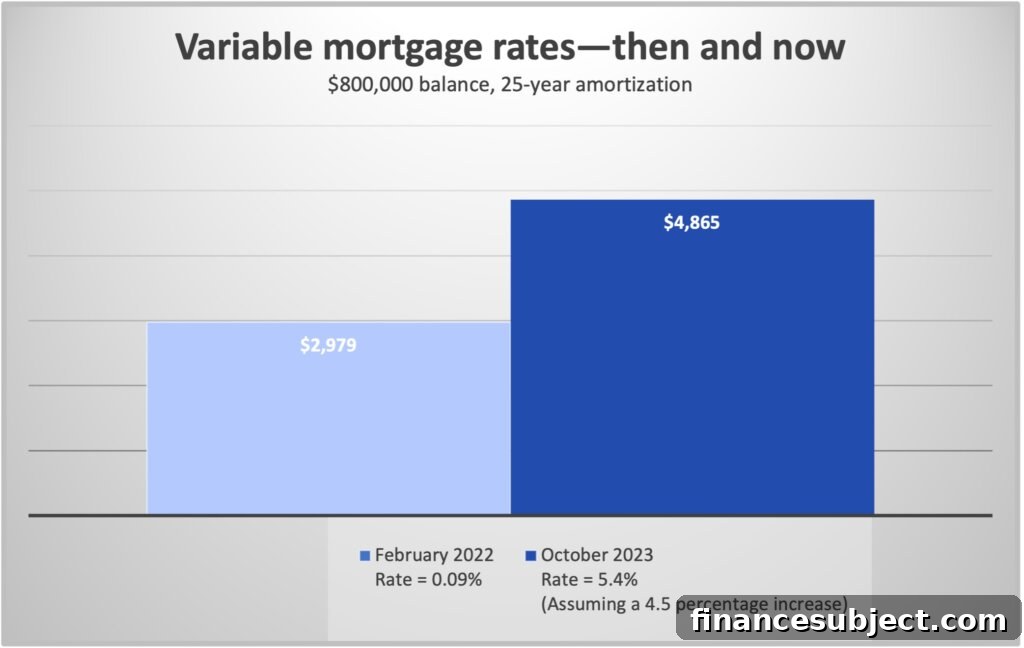
That rise in rates has already reduced mortgage affordability, particularly for households with variable-rate mortgages originated before the rate increases. Many borrowers who secured exceptionally low rates in early 2022 have since seen their borrowing costs climb by several percentage points, in some cases making payments unaffordable and forcing sales.
Policy changes have also reduced demand from certain buyer groups. For example, restrictions on non-resident purchases were implemented to limit foreign demand. Combined with tighter financing conditions, these shifts can cool investor activity, which had been a significant driver of price growth.
Signs of softening are visible in some metrics. TRREB’s benchmark price, which aims to reflect typical home values without distortions from outliers, showed a modest decline from month to month in recent reports. Persistently higher interest rates, constrained affordability, and reduced investor interest suggest further downward pressure could occur, though the pace and depth of any correction remain uncertain.
When will housing prices hit bottom?
Prices across Toronto and Canada have shown declines in recent periods, but predicting a clear bottom is difficult. Agencies such as the Canada Mortgage and Housing Corporation (CMHC) have produced varied forecasts, and some market indicators, like rising rates of underbidding reported in local market snapshots, signal fewer active buyers and softer pricing.
Optimists argue that chronic supply shortages and long-term demand will keep prices elevated, while others note that the current combination of high inflation and rapid rate increases is historically unusual and may lead to a meaningful correction. Whatever the outcome, the affordability problem created by rapid price growth is real and has disproportionately affected younger and first-time buyers, while benefiting existing homeowners and many investors.
Policy responses matter. Tools such as the First Home Savings Account (FHSA), which helps first-time buyers save for a down payment in a tax-advantaged way, are useful. But addressing broader market imbalances—like the concentration of multiple-property ownership and investor-driven demand—will be important to restore long-term affordability even after interest rates normalize.
Read more about Toronto real estate:
- Where to Buy Real Estate in Canada: Toronto
- How much you need to earn to afford a home in Toronto and the GTA
- We made money on the Toronto housing market. Now what?
- How to make it as a first-time home buyer in Toronto