

Kyle Prevost, editor of Million Dollar Journey and founder of the Canadian Financial Summit, summarizes key financial headlines and provides context for Canadian investors.
U.S. tech stocks continue to devour the old world
Tech and telecom earnings highlights this week
The U.S. technology sector remains robust. Despite Microsoft trimming its guidance for the rest of the year, the big tech firms again beat expectations this quarter. By contrast, traditional telecommunications companies like Verizon and AT&T are struggling, highlighting a sharp divergence within the market. All figures below are in U.S. dollars.
- Alphabet (GOOGL/NASDAQ): Alphabet exceeded expectations with earnings per share of $1.44 versus $1.34 predicted, and revenues of $74.6 billion versus $72.82 billion expected. Cloud services and YouTube ad revenue were standout contributors. Shares rose about 7% in after-hours trading on Tuesday.
- Microsoft (MSFT/NASDAQ): Microsoft reported EPS of $2.69 (versus $2.55 expected) and revenues of $56.19 billion (versus $55.47 billion expected). Despite the beat, shares fell roughly 4% in after-hours trading after management reduced revenue guidance for the remainder of the year. Given Microsoft is up about 40% year-to-date, investors reacted to the lower guidance even with a strong quarter.
- Meta (META/NASDAQ): Meta posted EPS of $2.98 versus $2.91 forecast and revenues of $32 billion versus $31.12 billion expected. The company provided a positive revenue outlook driven by AI-powered ad sales; shares rose about 5% in after-hours trading. Meta is up roughly 150% year-to-date after a steep decline last year, even though its Reality Labs division recorded a $3.7 billion quarterly loss and about $21 billion in losses since early 2022.
- Verizon (V/NYSE): Verizon reported EPS of $1.31 versus $1.32 estimated and revenues of $33.79 billion versus $33.75 billion expected. Shares were down about 7% late last week and are down more than 14% year-to-date.
- AT&T (T/NYSE): AT&T reported EPS of $0.63 versus $0.60 predicted and revenues of $29.9 billion versus $30 billion expected. The stock rose on the report but remains down nearly 21% year-to-date.
Before you implement a tech-only investment strategy, remember that this year’s gains are largely priced into current share values. Momentum has favored tech, but high valuations already assume continued profit growth. These companies are very profitable and will likely remain so, but investors should be mindful that future expectations are baked into today’s prices.
For now, I’d prefer exposure to “The Magnificent Seven” over carriers like AT&T or Verizon. The Economist recently explored the challenges facing AT&T and Verizon; factors such as high interest rates, legal liabilities related to legacy infrastructure, and stagnant subscriber growth are weighing on investor sentiment.
READ NOW
The Fed will be both patient and restrictive—probably
The U.S. Federal Reserve delivered a widely expected 0.25% rate hike on Wednesday, raising the federal funds rate range to 5.25%–5.50%.
Analysts spent the day parsing Chair Jerome Powell’s comments. Notable excerpts from his remarks include:
- “I would say it’s certainly possible that we will raise [rates] again at the September meeting if the data warranted. And I would also say it’s possible that we would choose to hold steady. And we’re going to be making careful assessments, as I said, meeting by meeting.”
- “[What] our eyes are telling us is that policy has not been restrictive enough for long enough to have its full desired effects. We intend to keep policy restrictive until we’re confident inflation is coming down sustainably to our 2% target, and we’re prepared to further tighten if that’s appropriate.”
- “We need to see that inflation is durably down that far. […] We think we’re going to need to certainly hold policy at a restrictive level for some time, and we need to be prepared to raise further if that, if we think that’s appropriate.”
- “The worst outcome for everyone, of course, would be not to deal with inflation now [and] not get it done. Whatever the short-term social costs of getting inflation under control, the longer-term social costs of failing to do so are greater and the historical record is very, very clear on that.”
- “We’re going to be going meeting by meeting and as we go into each meeting, we’re going to be asking ourselves the same questions. So, we haven’t made any decisions about any future meetings, including the pace at which we consider hiking.”
Markets briefly cheered the phrase “hold steady,” but the reaction was muted overall because Powell offered no major surprises. The comments reinforced the message that the Fed will remain cautious and data-driven, balancing the desire to tame inflation with the economic cost of higher rates.
READ NOW
Credit card transactions still rule the world
Credit card earnings highlights this week
All figures below are in U.S. dollars.
- Visa (V/NYSE): Visa reported EPS of $2.16 versus $2.11 expected and revenues of $8.12 billion versus $8.06 billion predicted. Shares rose slightly in after-hours trading. The company cited a 9% increase in payments and a 10% rise in transactions as evidence of resilient consumer spending and a solid travel recovery.
- Mastercard (M/NYSE): Mastercard delivered EPS of $2.89 versus $2.83 forecast and revenues of $6.3 billion versus $6.1 billion expected. Despite strong results, Mastercard’s stock was affected by a broader market sell-off after an extended streak of positive sessions for the S&P 500.
Visa’s CFO noted, “The consumer is resilient and stable, [and] the travel recovery still has legs. We’re nowhere near the end of it.” Mastercard’s CEO added that positive momentum continued, supported by travel and services, and that cross-border travel volume reached about 154% of pre-pandemic levels.
When payments firms are this upbeat about spending, it makes recession fears harder to sustain—at least in the near term. These companies underpin the speed and scale of electronic commerce, and their transaction volumes offer a real-time snapshot of consumer behavior.
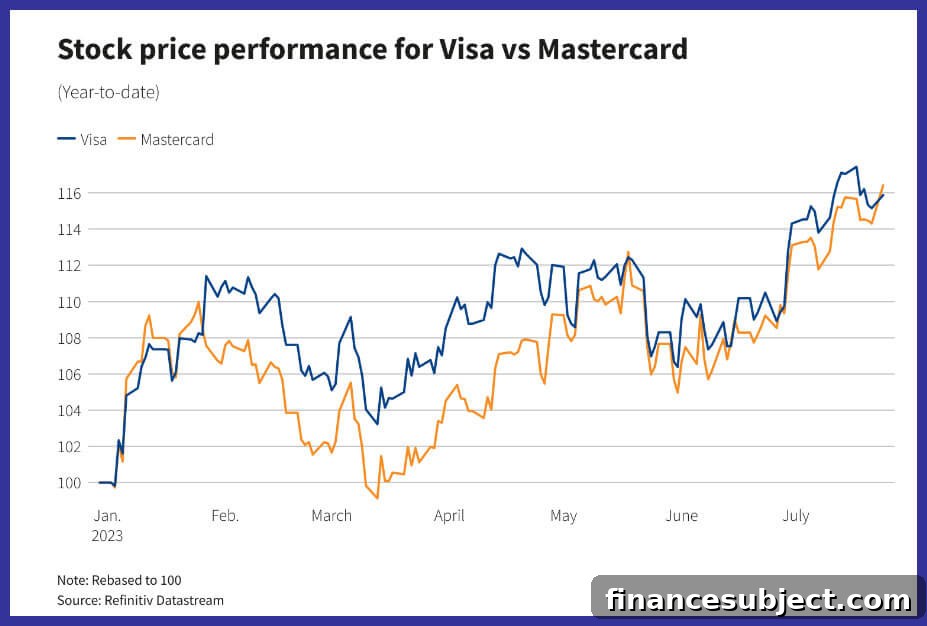
To illustrate the scale and efficiency of these networks, consider how traditional card processors compare to some blockchain payment solutions. Visa processes transactions far faster than many public blockchains and uses a tiny fraction of the energy per transaction, underscoring the practical advantages of established payment infrastructure.
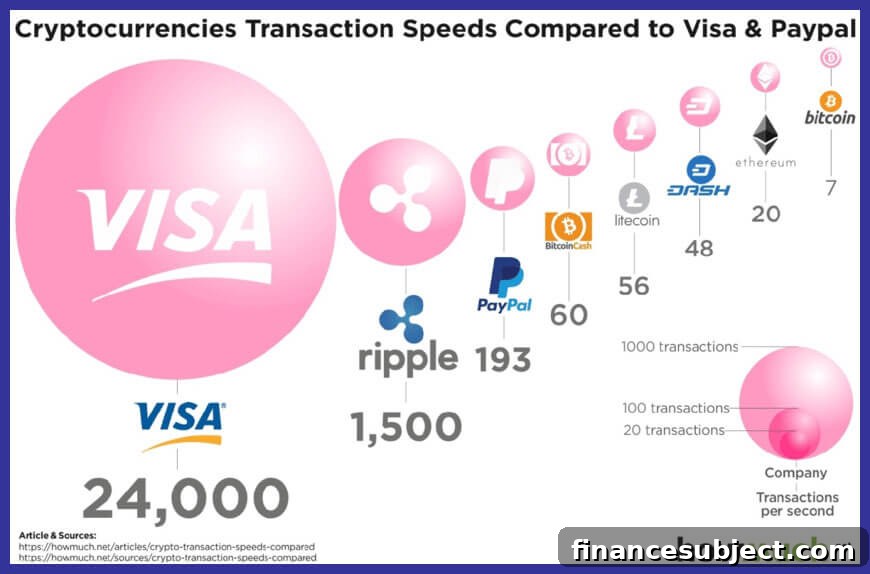
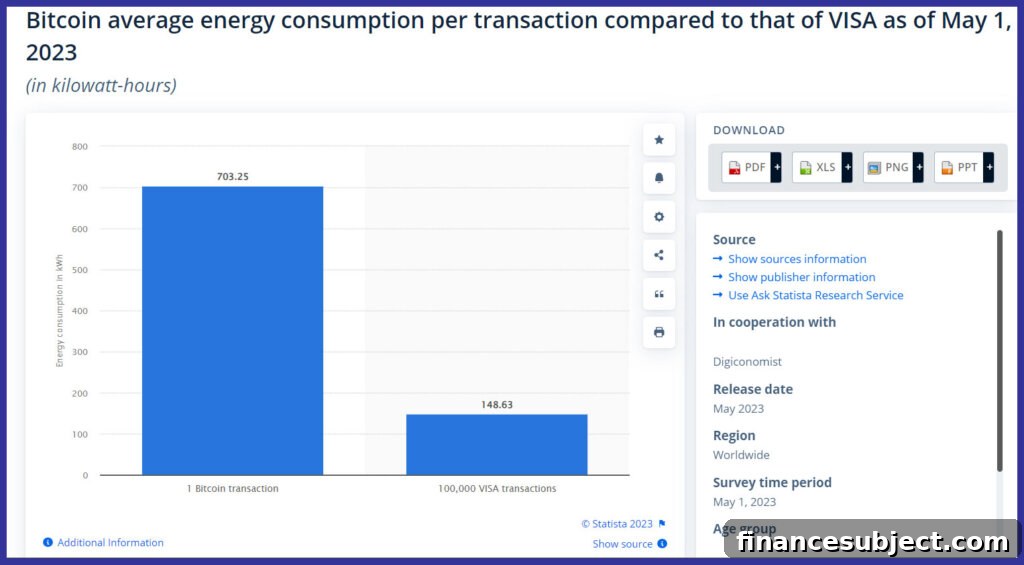
In short: Visa processes transactions thousands of times faster than Bitcoin and with a minuscule fraction of the energy use, highlighting how entrenched payment networks continue to outperform many newer technologies in practical terms.
READ NOW
A tougher quarter for railways than grocery stores
Railway earnings highlights
- Canadian National Railway (CNR/TSX): CNR reported EPS of $1.76 versus $1.79 expected and revenues of $4.06 billion versus $4.14 billion forecast. The company reduced forward guidance citing disruptions from wildfires and the West Coast port strike. Shares traded flat, suggesting the market had partly priced in the headwinds.
- Canadian Pacific Kansas City Ltd. (CP/TSX): CPKC emphasized the long-term benefits of its newly combined network linking Canada, the U.S., and Mexico. Despite the optimistic outlook, CPKC reported EPS of $0.83 versus $0.93 expected and revenues of $3.20 billion versus $3.24 billion forecast. Management stressed the merger is a multi-quarter, long-term story; shares fell less than 1%.
- Loblaw (L/TSX): Loblaw reported EPS of $1.94 versus $1.91 expected and revenues of $13.7 billion versus $13.6 billion projected. Income rose about 31% year-over-year, though management warned of cost pressures from major brands. Despite solid results, the stock was slightly lower on the day.
Railway operators faced the same operational disruptions that affected peers, and quarterly results reflected those challenges. Management teams emphasized long-term strategies and integration benefits, but near-term obstacles like weather events and labor disputes remain tangible risks.
Overall, the market continues to reward profitable, scalable businesses—especially those benefiting from durable consumer spending and digital transformation—while penalizing legacy companies facing structural headwinds.
USE TOOL