
Ask MoneySense
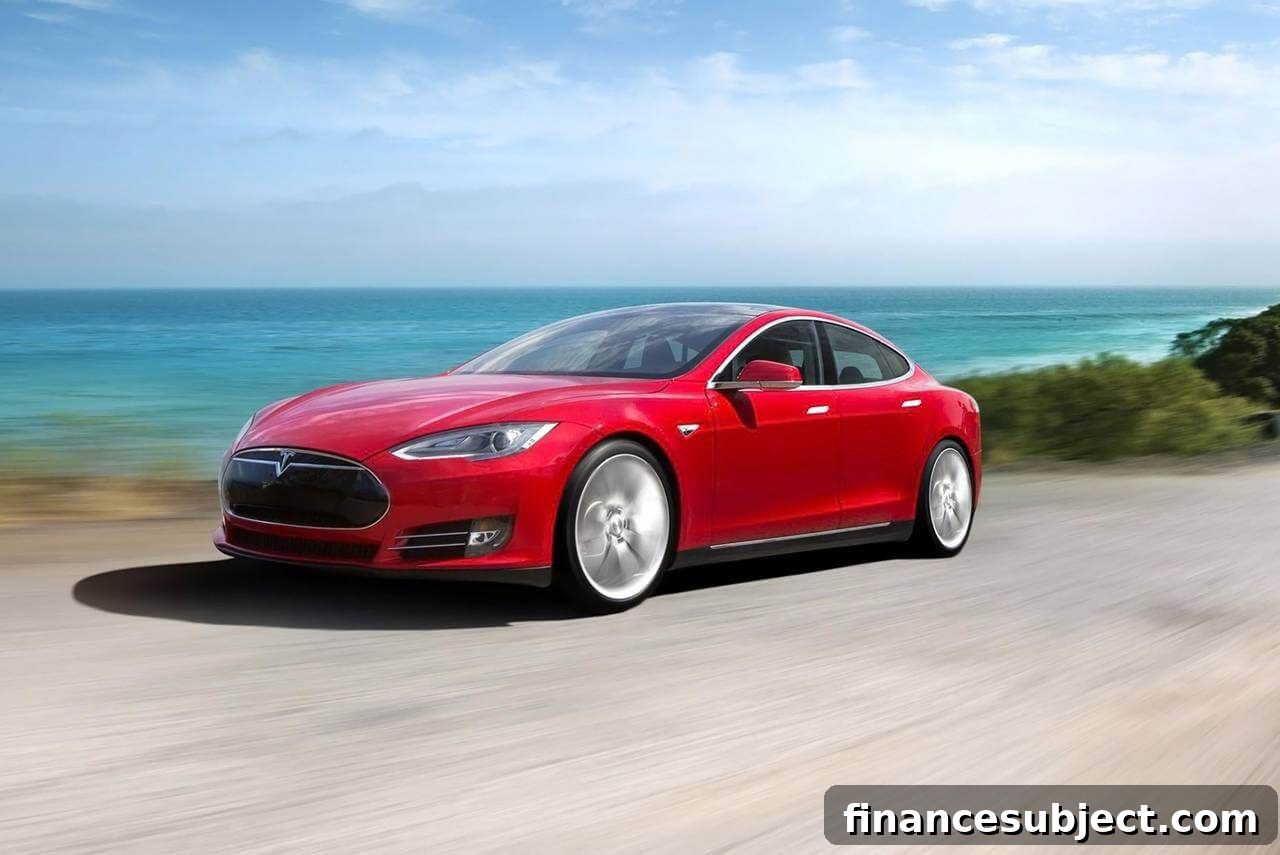
I am the second owner of a 2013 Tesla Model S with 213,000 km on the odometer. Recently the battery range fell to about 150 km and the car displayed an alert. I paid $420 for a diagnosis at Tesla’s Montreal service centre. Their conclusion: the entire battery pack needs replacement. The estimate was $25,500 plus tax. Tesla declined to contribute toward the repair because the eight-year/160,000 km new-vehicle battery warranty had expired.
I took the car to an independent shop that specializes in electric-vehicle repairs for a second opinion. They concluded that corrosion has damaged the battery casing.
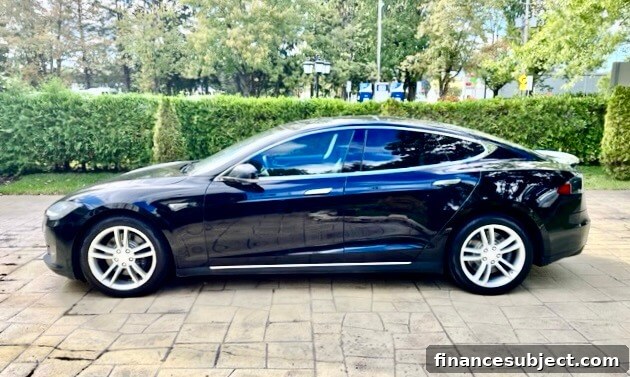
As you can see from the images, I keep the car in excellent condition. Unfortunately, I’m out of battery warranty coverage on my Model S, and Tesla is not offering assistance toward the repair.
–Montreal, Que.
What causes battery pack corrosion in the Tesla Model S?
Corrosion affecting EV battery packs and their circuitry is becoming more common as electric vehicles age and accumulate mileage. In the case of the Model S, independent repair technicians identify water infiltration and prolonged exposure to road salt and slush as the main culprits.
I spoke with the Montreal repair centre that examined this car, VE Mtl on 4th Avenue. Michael Tempone, director of the service department, told me the damage typically develops after seven or eight winters or around 150,000 km. On the Model S, the location of the air-conditioning drain can allow condensation to fall onto the battery casing. That drip, combined with repeated exposure to salt and slush on winter roads, can create the ideal conditions for underbody corrosion and electrical problems.
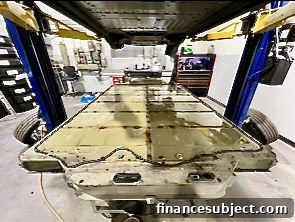
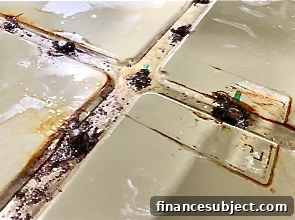
Repairing this kind of damage typically requires a thorough inspection of the battery pack and related components, removal of corrosion, replacement or refurbishment of damaged parts, and resealing the battery case with a more robust sealer. VE Mtl estimates a repair in the range of $4,000 to $5,000 when corrosion is limited to the casing and external fittings. If water has reached internal modules, costs can rise to about $8,000.
Tempone recommends that owners of Model S and Model X vehicles who plan to keep them long term consider a full battery reseal before the eight-year factory battery warranty expires. That service—assuming internal modules are still sound—runs about $3,500 and can greatly reduce the risk of future corrosion on vehicles regularly exposed to harsh winter conditions.
Fixing a corroded Model S or X battery
Aftermarket shops that specialize in battery work follow a consistent diagnostic and repair procedure when addressing corrosion on a Tesla Model S or X battery pack:
- Disconnect the battery from the vehicle’s electrical system and remove the battery pack from its mounts for safe access.
- Inspect the battery case and individual modules to locate and assess all corrosion and water damage.
- Replace damaged components as needed. That can include umbrella valves, seals, and BMS electronics, sourced from third-party suppliers, donor packs or new parts where available.
- Clean and neutralize corrosion on the case and related hardware using specialized treatments.
- Apply a durable protective coating and a superior sealant to prevent future water intrusion.
- Reinstall and reconnect the battery pack, then test the vehicle thoroughly to confirm safe operation and restored range where possible.
Corroded EV battery packs: not just a Tesla problem
Tesla is not unique in facing issues with water infiltration and corrosion of battery modules or wiring. Consumer protection organizations have received complaints about other electric models, and several manufacturers have faced corrosion-related service needs on older EVs and hybrids. The underlying risk—water or condensation reaching sensitive electronics and connections—can affect any vehicle built without sufficient corrosion protection in areas exposed to winter road conditions.
At present, relatively few aftermarket shops have the experience and equipment to offer cost-effective repairs that avoid full pack replacement. Repair techniques and pricing vary by the extent of corrosion and the shop’s approach. According to available information, Tesla typically prefers to replace the entire battery pack rather than perform localized corrosion repairs when performance has degraded or the vehicle won’t operate.
Your rights after the manufacturer’s warranty is over
In Quebec, the automaker’s written warranty does not necessarily determine all consumer rights. The province’s Consumer Protection Act includes mandatory legal warranties that apply automatically, regardless of an automaker’s documentation. These include requirements that goods be fit for their ordinary use and durable for a reasonable time, and that buyers have recourse for latent defects they could not reasonably have discovered.
Section 37: Goods … must be fit for the purposes for which goods of that kind are ordinarily used.
Section 38: Goods … must be durable in normal use for a reasonable length of time …
Section 53: A consumer who has entered into a contract with a merchant is entitled to exercise directly against the merchant or the manufacturer a recourse based on a latent defect in the goods forming the object of the contract, unless the consumer could have discovered the defect by an ordinary examination.
A persistent “drip-drip-drip” of condensation from a poorly placed AC drain that causes corrosion could be considered a hidden defect under these rules. That would give the buyer rights even after the manufacturer’s written warranty has expired.
You will be leaving MoneySense. Just close the tab to return.
“Durable in normal use” vs. normal wear and tear
Today’s average vehicle life spans about 15 years and roughly 300,000 km, and buyers reasonably expect major components to last a vehicle’s useful life. As automakers learn from long-term EV ownership, improved shielding for battery cases and wiring will likely become standard practice where winter corrosion is an issue.
Is a battery pack a major component that should last the vehicle’s lifetime, or a wear item after a certain point? When a replacement pack costs more than many used cars, the manufacturer arguably has a duty to disclose that reality before selling the car and may have an obligation to offer some contribution toward a replacement after the written warranty expires—especially where a design feature, such as a drainage location, creates a foreseeable corrosion risk.
Should you ask Tesla for compensation?
In earlier years, Tesla often provided broad warranty support for known defects on the Model S and X, including towing and loaner arrangements during repairs. Policy and approach appear to have evolved, but it is still reasonable to request compensation in writing, explaining the known issue and the car’s service history. In Quebec, following up with a registered letter preserves options for small claims court if the manufacturer declines to negotiate a fair solution.
George Iny is the Executive Director of the Automobile Protection Association (APA), a consumer advocacy association with offices in Toronto and Montreal.
Read more about autos:
- How do car repair shops bill for their services?
- Should you buy an original or aftermarket catalytic converter?
- Can an automaker require a confidentiality agreement to settle a claim?
- How much does it cost to insure an electric car?
- Best used cars in Canada